
Data-Driven Energy Analysis
How the world's energy systems actually work
Analysis of power grids, data center energy, and renewable infrastructure. No spin, just data.
View latest analysis
Data-Driven Energy Analysis
Analysis of power grids, data center energy, and renewable infrastructure. No spin, just data.
View latest analysis

 AlexanderFebruary 7, 20263 Mins read
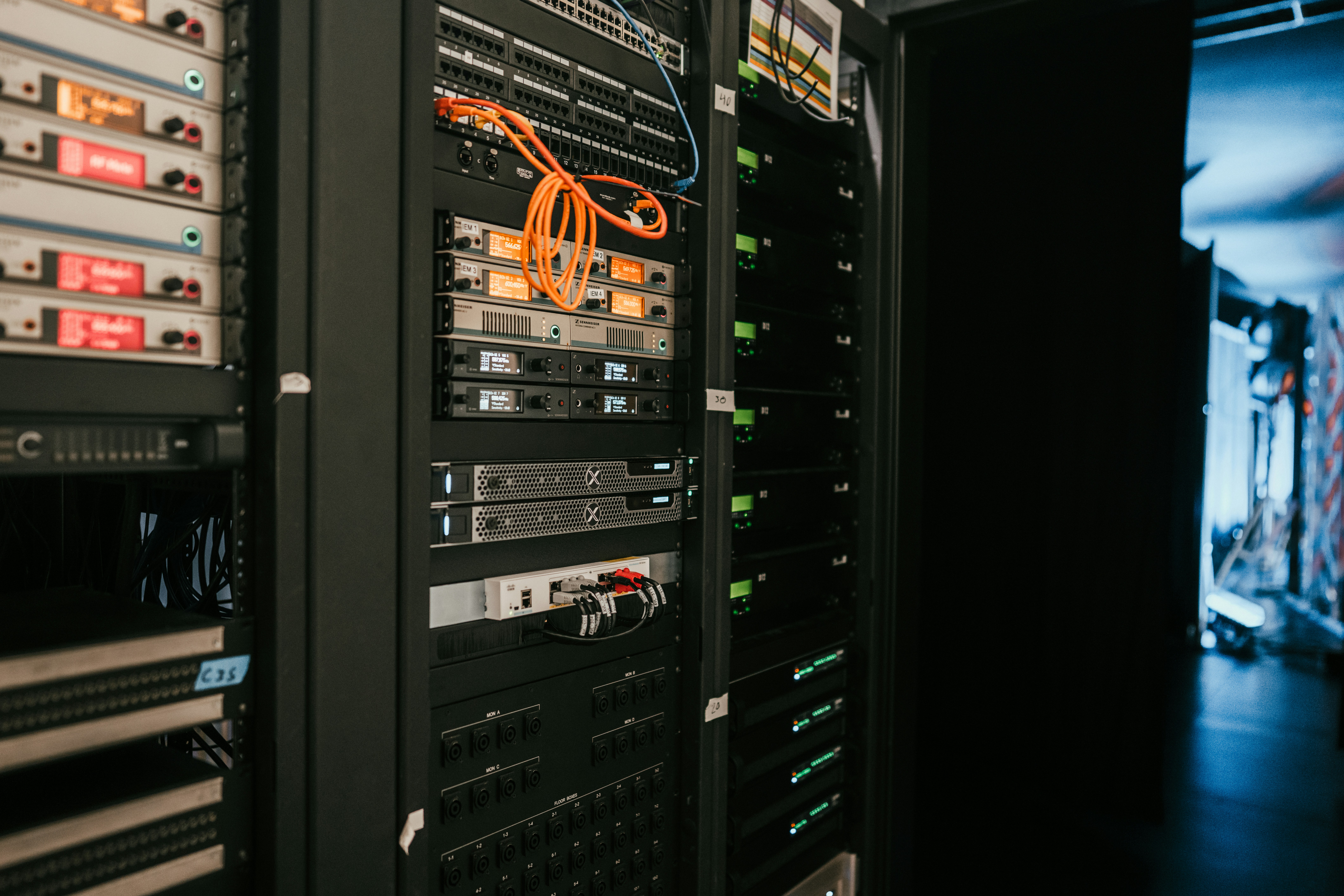
Colocation is a data center model in which a facility owner provides the building, power, cooling, and physical security, while tenants bring their own servers and networking equipment. The tenant rents space, measured in racks, cages, or private suites, and pays for the power and connectivity they consume. The colocation provider handles the physical infrastructure. The tenant manages their own hardware and software.
This model sits between building a private data center, which requires massive capital investment, and using public cloud services, where the provider owns and manages everything. Colocation gives organizations physical control over their hardware while offloading the cost and complexity of building and maintaining a data center facility. The global colocation market generates tens of billions of dollars in annual revenue and continues growing as digital infrastructure demand accelerates.
A typical colocation data center is a large building containing multiple data halls, each equipped with raised floors or overhead cable trays, redundant power distribution, precision cooling systems, and physical security controls. Space is sold in standard increments. The smallest unit is usually a single rack or half-rack in a shared cage. Larger deployments occupy private cages with locking enclosures, or entire private suites with dedicated power and cooling infrastructure.
Power is the primary cost driver. Tenants contract for a specific amount of power capacity, measured in kilowatts, and pay both for the capacity reservation and actual consumption. A single rack might be provisioned at 5 to 10 kilowatts. A private suite might be provisioned at 500 kilowatts to several megawatts. The colocation provider guarantees a certain level of power redundancy and uptime, typically expressed as a percentage such as 99.99 percent availability.
One of the primary advantages of colocation over private data centers is network density. Major colocation facilities host dozens or hundreds of network carriers, internet exchanges, and cloud on-ramps. This allows tenants to directly connect to cloud providers like AWS, Azure, and Google Cloud, to internet exchange points for efficient peering, and to other tenants in the same facility for private data exchange.
This connectivity ecosystem is self-reinforcing. More tenants attract more carriers, which attract more tenants. The largest colocation campuses, operated by companies like Equinix, Digital Realty, and CyrusOne, function as critical nodes in the global internet infrastructure. For many enterprises, the ability to establish low-latency connections to multiple cloud providers from a single colocation facility is the primary reason they choose this model.
Colocation serves a wide range of organizations. Enterprises use it to house servers that run internal applications, databases, and private cloud environments. Financial services firms use colocation in specific markets for low-latency trading. Content delivery networks use colocation to position servers close to end users. Even hyperscale cloud providers lease colocation space in markets where they have not yet built their own facilities.
The rise of AI is creating a new class of colocation demand. Companies that need GPU servers for AI inference but do not want to build their own facilities are turning to colocation providers that offer high-density, liquid-cooled environments. This is pushing colocation providers to retrofit existing facilities and build new ones designed for power densities of 40 to 100 kilowatts per rack, far beyond the traditional 5 to 15 kilowatt range.
Colocation pricing varies dramatically by market, power density, and contract terms. In Northern Virginia, the world’s largest data center market, wholesale colocation rates have been rising as vacancy rates fell to record lows of 1.6 percent in 2025. Retail colocation, where tenants lease individual racks or cages, typically costs more per kilowatt than wholesale deals where tenants lease entire data halls. Contract terms usually range from one to five years, with longer commitments securing better rates.
For organizations evaluating colocation versus building their own facility, the decision often comes down to speed and capital. Building a data center takes two to four years and requires hundreds of millions of dollars. Leasing colocation space can be accomplished in weeks to months with minimal upfront capital. For organizations that need to deploy quickly or lack the scale to justify a private facility, colocation remains the most practical option.
Key Takeaway PUE measures how efficiently a data center uses energy. A...
What Edge Computing Means Edge computing is an architectural approach that moves...
Why Data Centers Use Water Water is one of the most efficient...
Why Grid Connection Is the Bottleneck A data center is only as...




Leave a comment